LED digital tubes Provide Critical Feedback for Smart Car Systems
Industry Background and Market Demand
The automotive industry is undergoing a rapid transformation with the integration of smart technologies, including autonomous driving, connected vehicle systems, and advanced driver assistance systems (ADAS). As vehicles become more intelligent, the need for reliable, real-time feedback mechanisms grows. LED digital tubes have emerged as a critical component in smart car systems, offering high-visibility status indicators, diagnostic alerts, and interactive user interfaces.
Market demand for these components is driven by regulatory requirements, consumer expectations for enhanced safety, and the push toward vehicle electrification. Unlike traditional analog displays, LED digital tubes provide superior brightness, energy efficiency, and customization, making them ideal for modern automotive applications.
Core Technology and Functionality
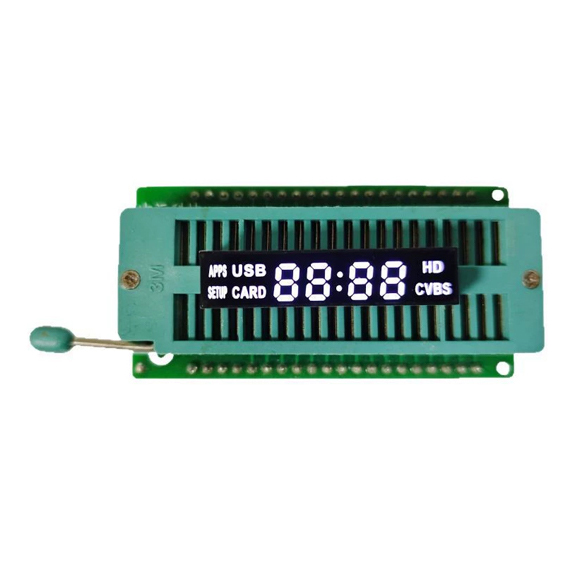
LED digital tubes are segmented displays that use light-emitting diodes (LEDs) to form alphanumeric characters or symbols. They are widely used in dashboard indicators, battery status monitors, and diagnostic readouts. Key advantages include:
- High Visibility: Brightness levels can exceed 5,000 nits, ensuring readability in direct sunlight.
- Low Power Consumption: LEDs consume significantly less energy than incandescent or fluorescent alternatives.
- Durability: Solid-state construction resists vibration, shock, and temperature fluctuations.
In smart car systems, these tubes serve as a direct communication channel between the vehicle and the driver, displaying critical data such as battery charge levels, system warnings, and navigation prompts.
Product Structure, Materials, and Manufacturing
A typical LED digital tube consists of:
1. LED Chips: High-efficiency semiconductor diodes emitting light when current passes through.
2. Encapsulation Material: Epoxy resin or silicone protects the diodes from moisture and mechanical stress.
3. PCB Substrate: Provides electrical connectivity and heat dissipation.
4. Diffuser Lens: Ensures uniform light distribution and reduces glare.
Manufacturing involves precision placement of LED chips on a printed circuit board (PCB), followed by encapsulation and rigorous testing for brightness consistency and thermal performance.
Key Factors Affecting Quality and Performance
Several factors determine the reliability and effectiveness of LED digital tubes in automotive applications:
- Thermal Management: Excessive heat reduces LED lifespan; efficient heat sinks or active cooling may be required.
- Optimal Driving Current: Overdriving LEDs increases brightness but shortens longevity.
- Environmental Resistance: Components must withstand extreme temperatures (-40°C to 85°C) and humidity.
- EMI Shielding: Electromagnetic interference can disrupt signal integrity in sensitive automotive electronics.
Supply Chain and Supplier Selection Criteria
Automotive-grade LED digital tubes require stringent quality control. Key supplier considerations include:
- ISO/TS 16949 Certification: Ensures compliance with automotive quality standards.
- Long-Term Reliability Testing: Suppliers should provide MTBF (Mean Time Between Failures) data.
- Traceability: Full component traceability is critical for recalls and warranty claims.
- Customization Capabilities: Suppliers should support tailored solutions for different OEM requirements.
Common Challenges and Industry Pain Points
Despite their advantages, LED digital tubes face several challenges:
- Cost Sensitivity: High-quality automotive LEDs are more expensive than consumer-grade alternatives.
- Color Consistency: Maintaining uniform brightness and hue across batches is difficult.
- Integration Complexity: Retrofitting legacy systems with modern LED displays may require additional hardware modifications.
Applications and Industry Use Cases
LED digital tubes are deployed in various automotive systems:
1. Battery Management Systems (BMS): Display state-of-charge (SOC) and health status in electric vehicles.
2. ADAS Warnings: Alert drivers to lane departures, collision risks, or system malfunctions.
3. Infotainment Systems: Provide real-time feedback for navigation, climate control, and diagnostics.
Leading automakers, including Tesla and BMW, integrate these displays to enhance user interaction and safety.
Current Trends and Future Developments
The future of LED digital tubes in smart cars includes:
- Higher Resolution Displays: Micro-LED and OLED technologies offer finer detail and better contrast.
- Dynamic Content Adaptation: Displays that adjust brightness and content based on driving conditions.
- Augmented Reality (AR) Integration: Combining LED indicators with windshield AR projections for enhanced situational awareness.
- Sustainable Materials: Bio-based resins and recyclable components to meet eco-friendly manufacturing standards.
FAQ
Q: How do LED digital tubes compare to LCDs in automotive applications?
A: LEDs offer better brightness, lower power consumption, and faster response times, making them more suitable for critical feedback systems.
Q: What is the typical lifespan of an automotive LED digital tube?
A: High-quality automotive LEDs last 50,000–100,000 hours, depending on thermal management and driving conditions.
Q: Can LED digital tubes be customized for different vehicle models?
A: Yes, manufacturers can adjust segment size, color, and brightness to meet OEM specifications.
Q: Are there any regulatory standards for automotive LED displays?
A: Yes, compliance with SAE J1889 (luminance standards) and ECE R10 (EMC requirements) is mandatory in many regions.
Conclusion
LED digital tubes play a pivotal role in smart car systems by delivering clear, real-time feedback to drivers. As automotive technology evolves, these components will continue advancing in efficiency, durability, and functionality, supporting the next generation of intelligent vehicles. Manufacturers and suppliers must prioritize quality, customization, and innovation to meet the growing demands of the industry.
 286315373@qq.com
 +86 18811889973





 Phone
Phone
Comment
(0)